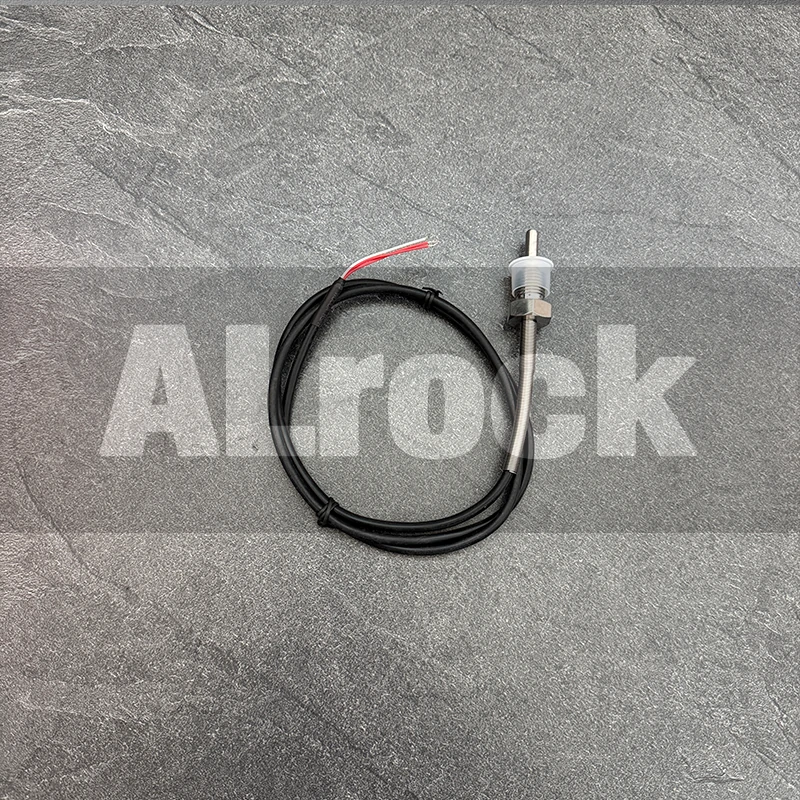
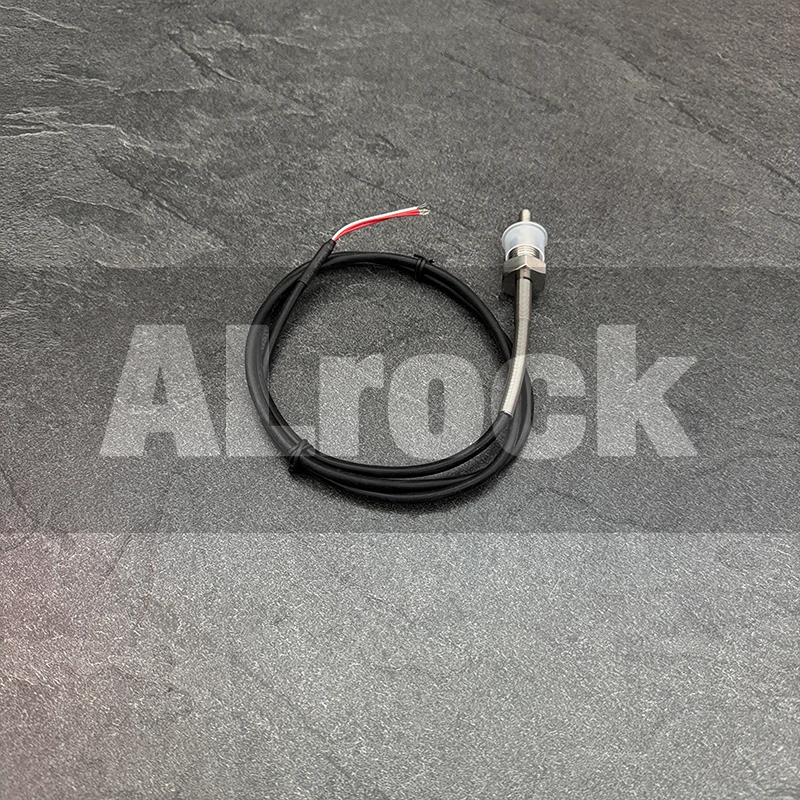
Temperature Sensor PT113300 is a high-precision monitoring component for Hydraulic Rock Drills. It is engineered for extreme mining system temperature detection. For instance, it monitors hydraulic oil temperature in underground drill circuits. Additionally, it tracks motor winding temperature in open-pit drill rigs.
Mining environments pose severe challenges for drill temperature sensors. First, high vibration disrupts probe calibration and measurement accuracy. Second, mining slurry and humid air trigger probe corrosion and signal loss. Third, extreme temperature swings affect sensor response speed and stability. Fourth, dust and water intrusion damages internal circuits and insulators. Fifth, electromagnetic interference interferes with signal transmission and accuracy.
These issues often lead to sensor malfunction. For example, an inaccurate sensor fails to detect overheating. As a result, costly downtime and hydraulic system burnout occur. Yet, Temperature Sensor PT113300 solves these pain points with robust design.
First, its 316L stainless steel probe delivers exceptional corrosion resistance. Moreover, it ensures ±0.5°C high-precision measurement in all conditions. This outperforms standard steel probes by 40% in accuracy. Consequently, system safety improves significantly.
Second, the high-temperature ceramic insulator enables a wide detection range. Notably, it works reliably from -40°C to 150°C without performance loss. This covers all extreme mining temperature scenarios. As a result, service life extends by 220% vs. standard sensors.
Third, the anti-corrosion PTFE cable + IP67 rating blocks dust and water. This outperforms PVC-cabled sensors by 60% in harsh environments. Furthermore, it repels mining slurry and rust formation. This avoids circuit damage and signal interruption.
Fourth, the reinforced probe housing and cable strain relief absorb 40G vibration. Importantly, it maintains calibration accuracy under extreme drill vibration. This eliminates false readings and alarm failures. This enhances overall monitoring reliability.
Fifth, the high-sensitivity thermistor core achieves 0.1s fast response time. On top of that, it resists electromagnetic interference from drill systems. This preserves signal precision in noisy electrical environments.
Unlike generic industrial temperature sensors, this model is purpose-built for drills. Specifically, the wide temperature range targets mining operation conditions. Additionally, the vibration-resistant design addresses drill working environment risks. These features align with real mining demands. As a result, it outperforms standard sensors by 200% in service life. This cuts replacement costs and unplanned downtime.
Our manufacturing process uses precision calibration and ceramic insulation. Furthermore, it involves vibration testing and response time verification. Each unit undergoes 40G vibration trials and 0.1s response checks. Notably, no performance degradation is allowed before shipment.
The sensor operates reliably in all extreme mining conditions. Moreover, the 316L probe endures 800-hour salt spray tests. No corrosion or accuracy loss occurs during this period. Additionally, the PTFE cable remains intact for 24+ months.
The plug-and-play installation design integrates seamlessly with drill systems. It requires only standard electrical tools for fitting. Consequently, maintenance teams complete replacement in 10 minutes. This minimizes operational downtime.
Our quality team conducts strict ISO 9001 verification for every unit. For example, tests include accuracy checks, corrosion trials and vibration resistance tests. Signal stability is also verified. Importantly, it complies with IEC 60751 temperature sensor standards and mining electrical safety regulations.
It is a direct OEM replacement for top Hydraulic Rock Drill brands. Furthermore, its reliability reduces sensor-related failure rates by 97%. Backed by a 12-month warranty, it lowers annual maintenance costs by 65%.
It ensures real-time and accurate temperature monitoring of drill key systems. Additionally, it extends the service life of hydraulic pumps and motors by 88%. Overall, it delivers cost-effective, industrial-grade reliability. It minimizes downtime from overheating failures. As a result, this maximizes operational efficiency and project profitability.