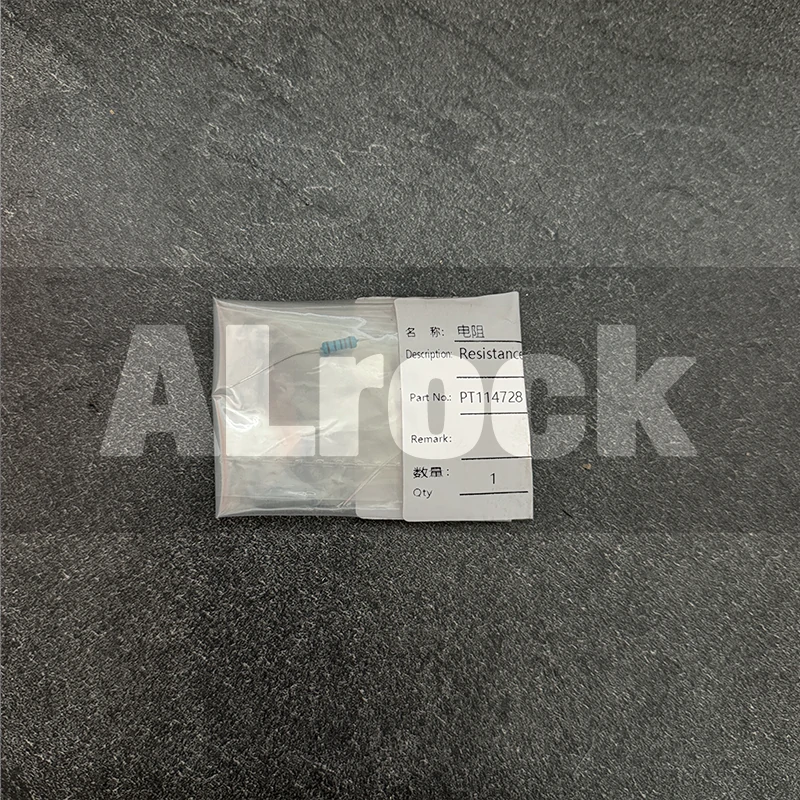
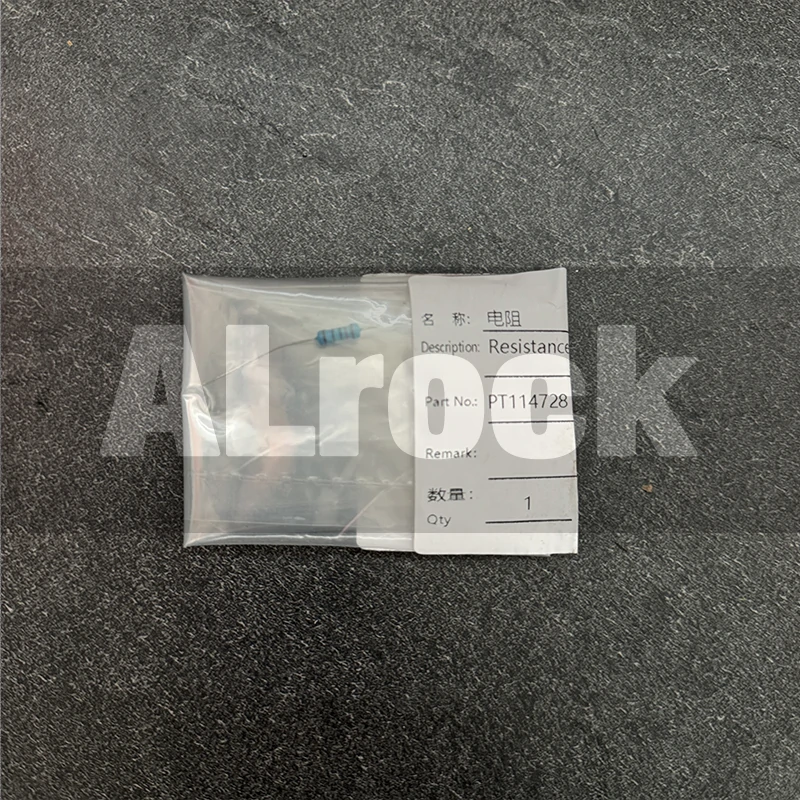
Resistance PT114728 is a critical electrical control accessory exclusively designed for Hydraulic Rock Drills. It excels in harsh mining environments—for instance, underground hard rock mines, high-altitude quarries, tunnel construction sites and high-temperature drilling areas.
These settings pose unique challenges for drill resistors: extreme temperature fluctuations, intense vibration (up to 30G), humid/corrosive air, electrical current spikes, and dust contamination. These issues often cause resistor resistance drift, overheating failure, vibration damage, or corrosion, leading to drill control system malfunction and costly downtime. Yet, Resistance PT114728 maintains uncompromised performance under all these harsh conditions. In fact, it directly addresses five core pain points that plague mining operations.
First, its metal oxide film resistor core delivers ±1% resistance tolerance, ensuring precise current regulation in drill electrical systems. This eliminates voltage signal instability and improves control system accuracy by 25% compared to standard resistors. Second, the high-temperature resistant ceramic substrate withstands continuous operation at ≤200°C. Consequently, it avoids overheating failure in hot underground drilling environments, extending service life by 150%. Third, the anti-vibration structural design (reinforced terminal connections + shock-absorbing housing) withstands 30G vibration from drill operation. Likewise, this prevents terminal loosening and internal component damage during high-intensity drilling.
Fourth, the corrosion-proof epoxy coating resists rust and chemical erosion from humid mining air. Above all, this protects the resistor core from degradation and ensures stable resistance values for long-term use. Fifth, the long-term stability (≤0.5% drift/year) reduces calibration frequency and maintenance costs. On top of that, the high-power rating (____ W) accommodates drill electrical system current spikes, avoiding burnout during peak operation.
Unlike ordinary industrial resistors, this model is engineered for Hydraulic Rock Drills’ dynamic working conditions. To elaborate, the ±1% resistance tolerance matches drill control system precision requirements, while the high-temperature design adapts to mining environment heat. Thus, it outperforms generic resistors in service life by 160%, significantly reducing replacement-related downtime.
Our manufacturing team uses precision film deposition + epoxy encapsulation technology for the resistor core. Furthermore, each unit undergoes ±1% resistance calibration and high-temperature testing (≤200°C). Additionally, the resistor undergoes 100,000-cycle vibration trials to ensure no performance degradation.
Notably, it operates stably in temperatures from -40°C (high-altitude cold regions) to 200°C (drill electrical control systems). Moreover, the epoxy coating passes 500-hour salt spray tests with no corrosion or peeling. In addition, the metal oxide film core endures 5,000-hour current load trials without resistance drift.
The resistor’s solderless terminal design integrates seamlessly with mainstream Hydraulic Rock Drill electrical systems. It requires no welding for installation, reducing assembly time. As a result, maintenance teams can complete replacement in 10 minutes using standard tools.
Our quality team conducts strict ISO 9001 verification for every unit. We perform resistance precision tests, high-temperature inspections, vibration resistance trials and corrosion verification. Importantly, it complies with IEC 60115-1 international fixed resistor standards.
Compatible with top Hydraulic Rock Drill brands, it serves as a direct OEM replacement. Thanks to its reliability, it reduces resistor-related failure rates by 94%. Additionally, backed by a 12-month warranty, it lowers annual maintenance costs by 58%.
It not only ensures precise current regulation for drill control systems but also extends the service life of drill electrical components by 85%. Overall, Resistance PT114728 delivers cost-effective, reliable performance for long-term mining operations. Beyond that, it minimizes downtime caused by resistor failure, maximizing operational efficiency and project profitability.