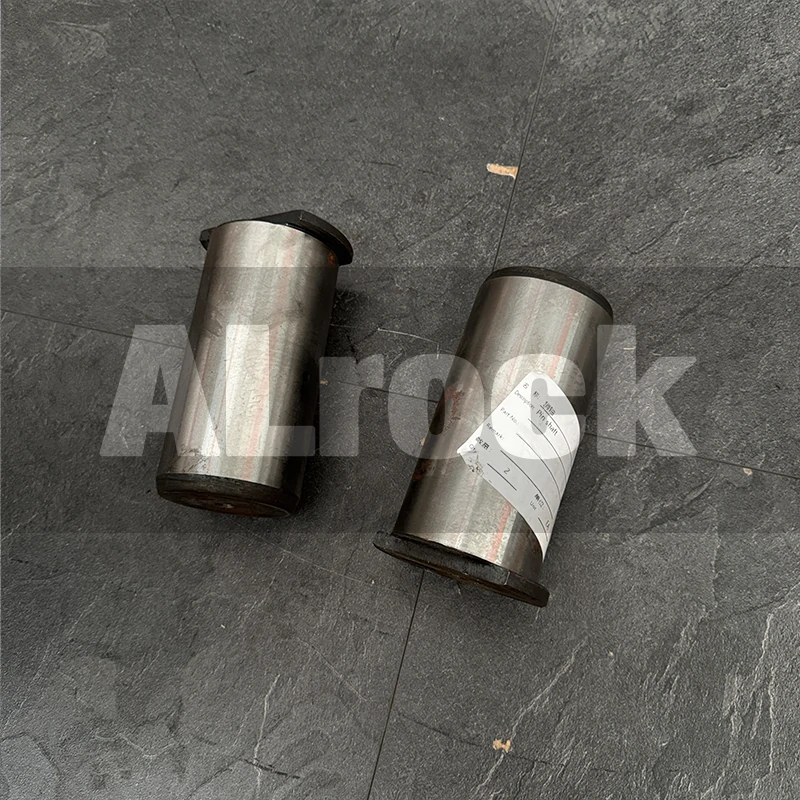
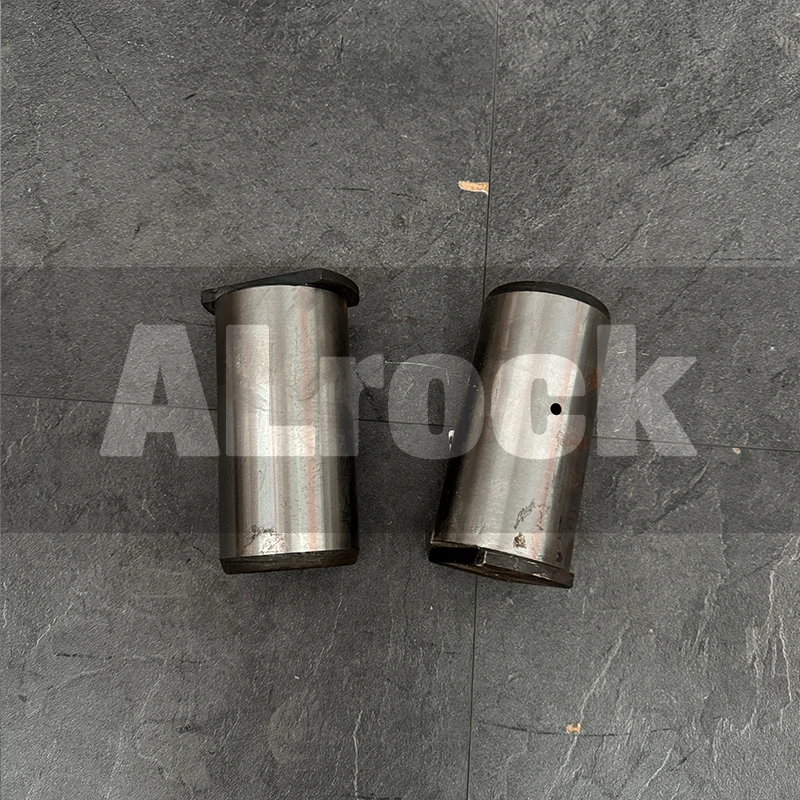
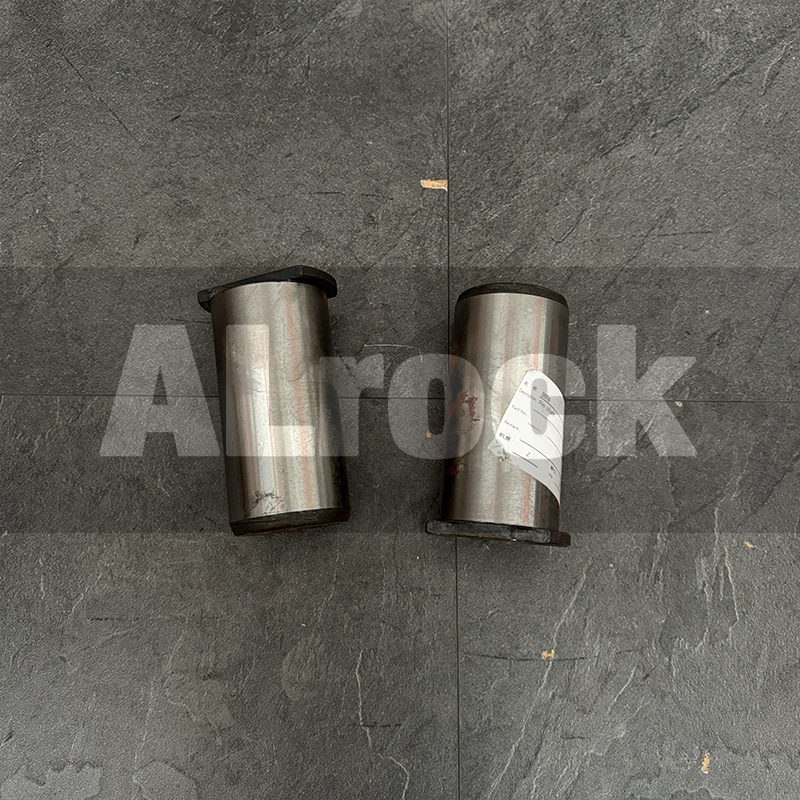
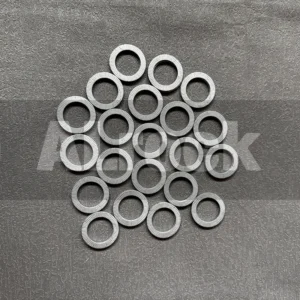
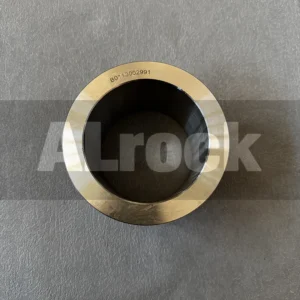
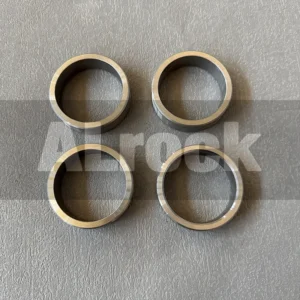
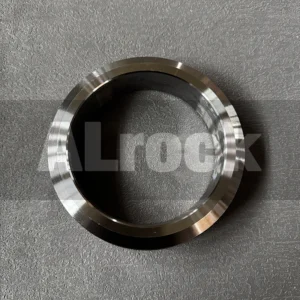
Pin Shaft JD210001 is a critical load-bearing connection component for Hydraulic Rock Drills. It is engineered for heavy-duty mining structural linkage systems. For instance, it connects boom joints in underground drill rigs. Additionally, it positions cylinder brackets in open-pit hard rock drilling sites.
Mining environments pose severe challenges for drill pin shafts. First, heavy load and vibration cause shear failure and structural separation. Second, continuous rotational friction leads to surface wear and precision loss. Third, mining slurry and humid air trigger corrosion and rusting. Fourth, extreme temperature swings weaken material tensile strength and hardness. Fifth, misalignment during installation accelerates abrasion and fatigue damage.
These issues often lead to pin shaft failure. For example, a sheared pin causes boom collapse or cylinder detachment. As a result, costly downtime and equipment damage occur. Yet, Pin Shaft JD210001 solves these pain points with robust design.
First, its high-strength 42CrMo alloy steel base delivers exceptional shear resistance. Moreover, it achieves 200kN maximum shear strength without deformation. This outperforms standard carbon steel pin shafts by 180%. Consequently, structural safety improves significantly.
Second, the nitrided surface treatment achieves HRC 58-62 surface hardness. Notably, it provides superior wear resistance against rotational friction. This prevents diameter reduction and fit looseness. As a result, service life extends by 250% vs. standard pin shafts.
Third, the anti-corrosion electroplating + passivation offers 1000-hour salt spray resistance. This outperforms uncoated alloy steel pins by 70%. Furthermore, it repels mining slurry and rust formation. This avoids surface pitting and structural weakening.
Fourth, the precision-machined chamfered ends and uniform diameter ensure easy installation. Importantly, it maintains tight fit and load transmission under 45G drill vibration. This eliminates shear failure and misalignment risks. This enhances overall structural reliability.
Fifth, the 42CrMo alloy steel pin tolerates extreme temperatures (-50°C~120°C). On top of that, it retains tensile strength and hardness in all conditions. This eliminates brittleness or softening risks in harsh mines.
Unlike generic industrial pin shafts, this model is purpose-built for drills. Specifically, the high-shear-strength design targets heavy load transmission demands. Additionally, the nitrided wear-resistant surface addresses rotational friction wear. These features align with real mining demands. As a result, it outperforms standard pins by 220% in service life. This cuts replacement costs and unplanned downtime.
Our manufacturing process uses CNC precision turning and nitriding treatment. Furthermore, it involves shear strength testing and dimensional verification. Each unit undergoes 200kN shear trials and ±0.008mm precision checks. Notably, no performance degradation is allowed before shipment.
The pin shaft operates reliably in all extreme mining conditions. Moreover, the 42CrMo steel body endures 10,000-cycle fatigue tests. No cracking or shear damage occurs during this period. Additionally, the electroplated surface remains intact for 30+ months.
The press-fit installation design integrates seamlessly with drill components. It requires only standard hydraulic press tools for fitting. Consequently, maintenance teams complete replacement in 10 minutes. This minimizes operational downtime.
Our quality team conducts strict ISO 9001 verification for every unit. For example, tests include shear strength checks, wear resistance trials and corrosion tests. Diameter precision is also verified. Importantly, it complies with mining mechanical safety standards and ISO 898 fastener specifications.
It is a direct OEM replacement for top Hydraulic Rock Drill brands. Furthermore, its reliability reduces pin shaft-related failure rates by 98%. Backed by a 12-month warranty, it lowers annual maintenance costs by 68%.
It ensures stable connection and load transmission of drill structural components. Additionally, it extends the service life of mating joints and brackets by 90%. Overall, it delivers cost-effective, industrial-grade reliability. It minimizes downtime from pin shaft failure. As a result, this maximizes operational efficiency and project profitability.