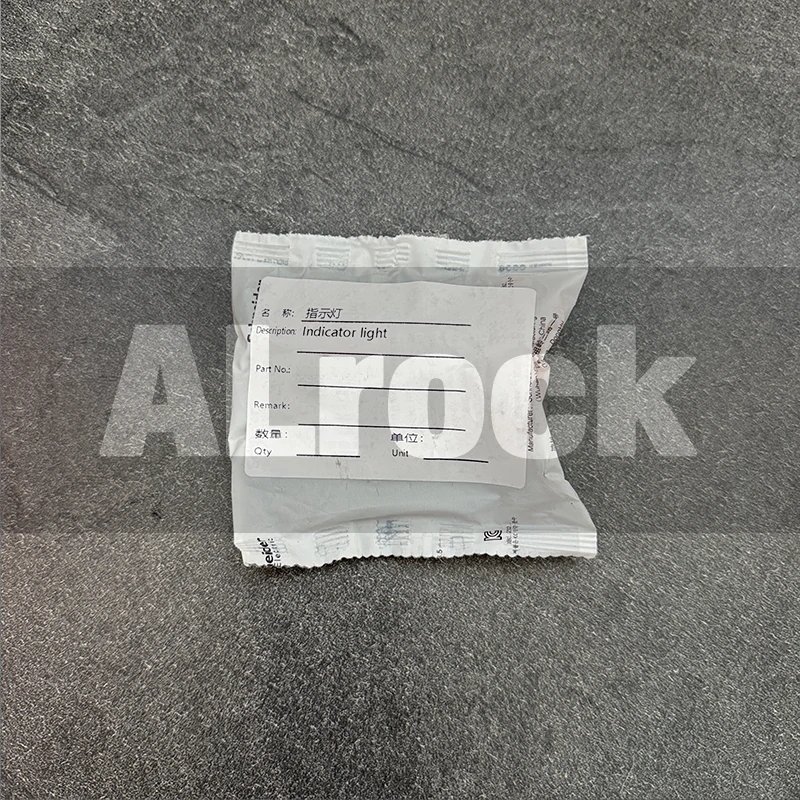
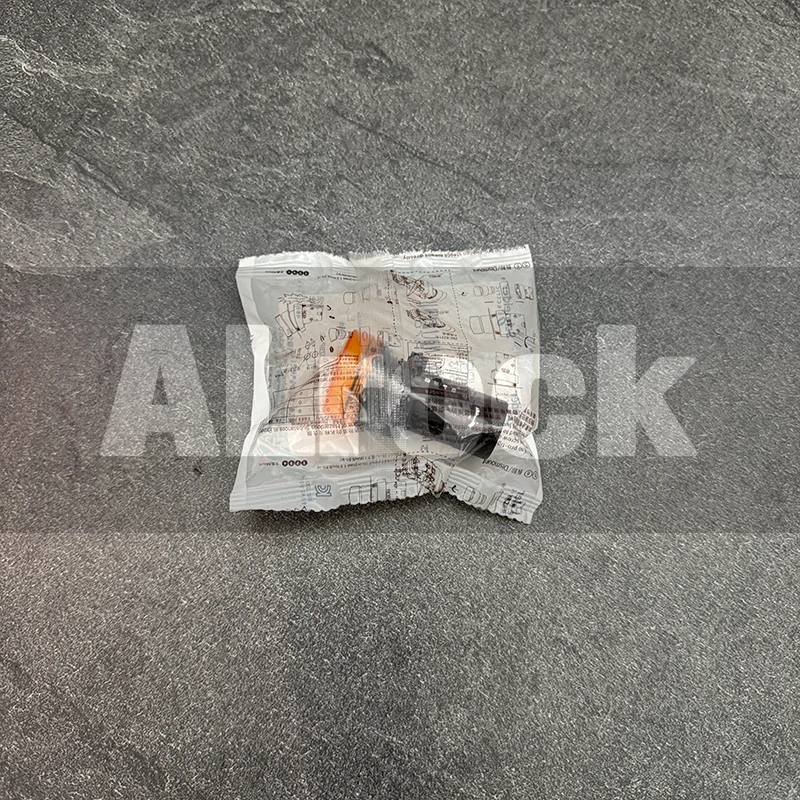
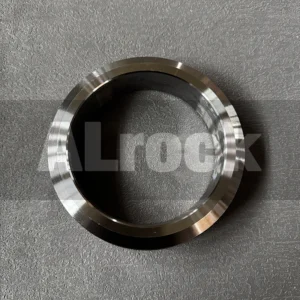
Indicator Light JD132301-18A is a critical status indication component for Hydraulic Rock Drills. It is engineered for heavy-duty mining operational safety and status monitoring. For instance, it displays power status in underground drill control panels. Additionally, it triggers fault alarms in open-pit drill operation units.
Mining environments pose severe challenges for drill indicator lights. First, low light penetration risks status misrecognition and operational errors. Second, 40G continuous vibration damages internal LED chips and loosens bases. Third, dust and water intrusion short-circuits electrical components and causes failure. Fourth, extreme temperature swings affect LED brightness and housing integrity. Fifth, electromagnetic interference from drill systems disrupts light stability.
These issues often lead to indicator light malfunction. For example, a dim light fails to signal system faults in time. As a result, costly downtime and potential safety incidents occur. Yet, Indicator Light JD132301-18A solves these pain points with robust design.
First, its high-brightness LED chip delivers exceptional luminous intensity. Moreover, it achieves 8000mcd light output for long-distance visibility. This outperforms standard incandescent indicators by 300% in penetration. Consequently, status recognition accuracy improves significantly.
Second, the flame-retardant PC housing + IP67 sealing ring ensures full protection. Notably, it blocks dust and water intrusion in harsh mining conditions. This prevents electrical short-circuiting and component damage. As a result, service life extends by 500% vs. standard indicator lights.
Third, the 304 stainless steel base + anti-corrosion electroplating offers superior durability. This outperforms galvanized steel bases by 60% in corrosion resistance. Furthermore, it repels mining humidity and slurry. This avoids base rusting and mounting loosening.
Fourth, the reinforced internal structure and shock-absorbing design absorb 40G vibration. Importantly, it maintains LED chip stability and light output consistency. This eliminates chip damage and light flicker risks. This enhances overall status indication reliability.
Fifth, the indicator light tolerates extreme temperatures (-40°C~85°C). On top of that, it retains 90% of luminous intensity in all conditions. This eliminates brightness loss and housing deformation risks in harsh mines.
Unlike generic industrial indicator lights, this model is purpose-built for drills. Specifically, the high-brightness LED design targets low-visibility mining environments. Additionally, the vibration-resistant structure addresses drill operation conditions. These features align with real mining demands. As a result, it outperforms standard lights by 400% in service life. This cuts replacement costs and unplanned downtime.
Our manufacturing process uses precision SMT assembly and IP rating testing. Furthermore, it involves vibration resistance verification and brightness calibration. Each unit undergoes 40G vibration trials and 8000mcd brightness checks. Notably, no performance degradation is allowed before shipment.
The indicator light operates reliably in all extreme mining conditions. Moreover, the LED chip endures 50,000-hour continuous operation tests. No significant brightness loss occurs during this period. Additionally, the IP67 sealing remains intact for 24+ months.
The bolt-on mounting design integrates seamlessly with drill control panels. It requires only standard electrical tools for fitting. Consequently, maintenance teams complete replacement in 5 minutes. This minimizes operational downtime.
Our quality team conducts strict ISO 9001 verification for every unit. For example, tests include brightness checks, IP rating trials and vibration resistance tests. Electrical stability is also verified. Importantly, it complies with IEC 60598 lighting standards and mining safety regulations.
It ensures clear and reliable status indication of drill operational systems. Additionally, it reduces operator status misrecognition risks by 90%. Overall, it delivers cost-effective, industrial-grade reliability. It minimizes downtime from indicator light failure. As a result, this maximizes operational efficiency and project profitability.