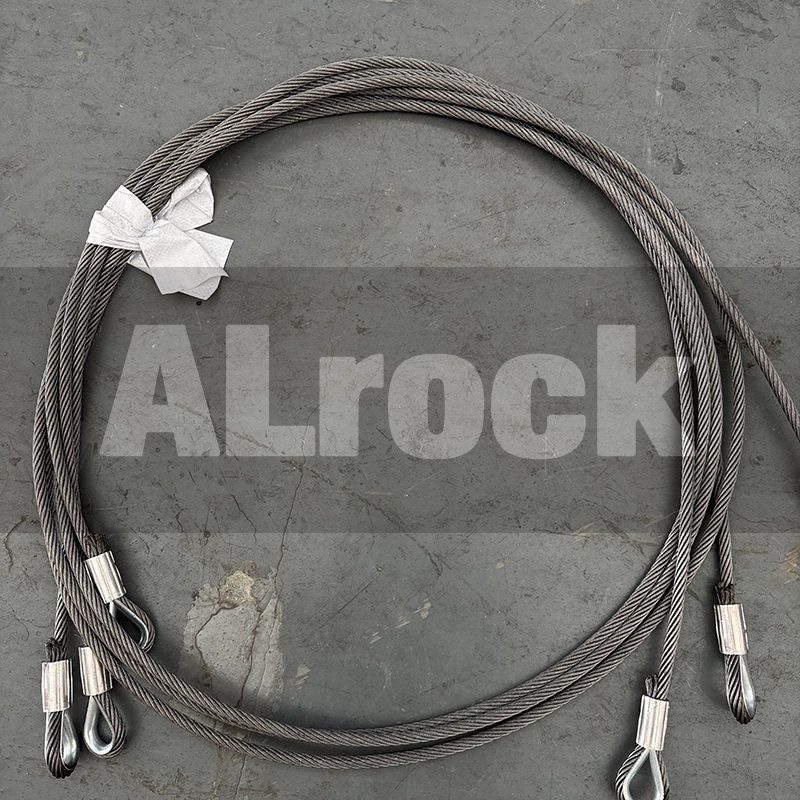
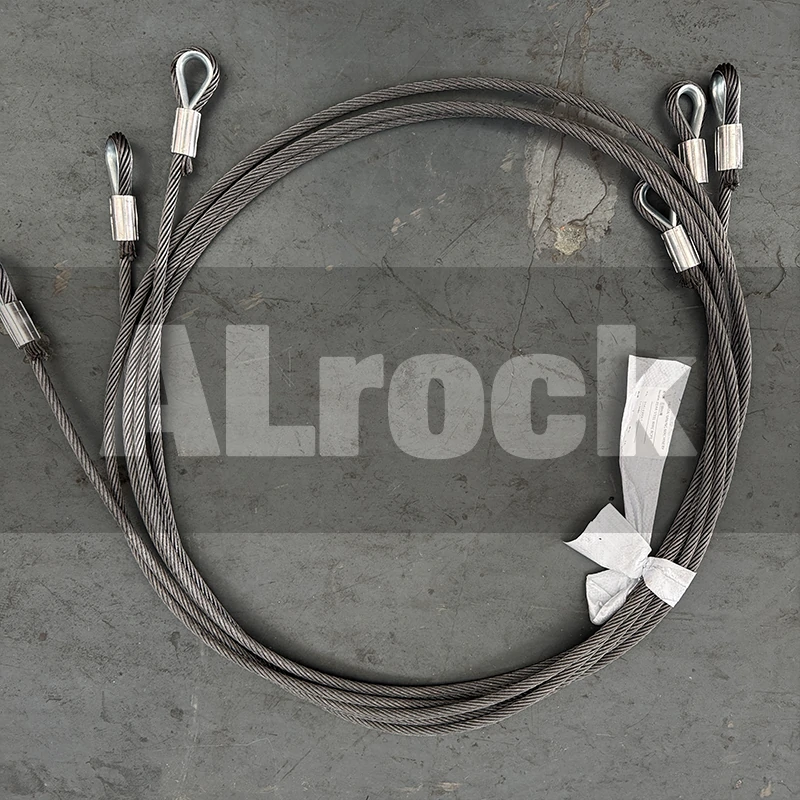
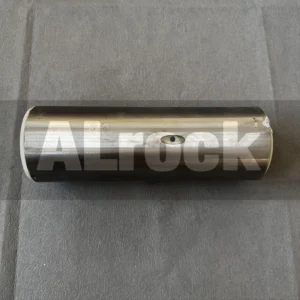
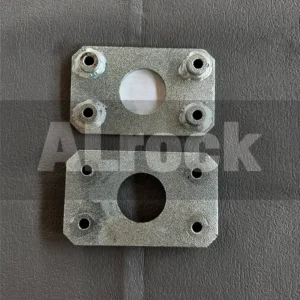
Rear Steel Wire Rope 3141300061 is a critical load-bearing component for Hydraulic Rock Drills. It is engineered for heavy-duty mining boom traction and structural support. For instance, it pulls rear booms in underground tunnel drill rigs. Additionally, it supports boom weight in open-pit hard rock drilling sites with uneven terrain.
Mining environments pose severe challenges for drill rear steel wire ropes. First, high load stress risks rope breakage and boom collapse. Second, 50G continuous vibration causes fatigue cracking and wire fraying. Third, rock dust and slurry abrade the rope surface and reduce strength. Fourth, mining humidity triggers corrosion and rust formation. Fifth, extreme temperature swings affect grease stability and rope flexibility.
These issues often lead to rope failure. For example, a frayed rope causes boom instability and operational hazards. As a result, costly downtime and safety incidents occur. Yet, Rear Steel Wire Rope 3141300061 solves these pain points with robust design.
First, its high-strength galvanized carbon steel wire delivers exceptional load resistance. Moreover, the 6×19S+FC structure enhances flexibility and breaking load. This withstands 180kN minimum breaking load without failure. Consequently, load-bearing stability improves significantly.
Second, the anti-corrosion grease coating + wear-resistant nylon sheath reduces friction. Notably, it provides 100,000-cycle fatigue resistance against vibration. This prevents wire fraying and extends service life by 250% vs. standard steel ropes.
Third, the galvanized steel wire + grease coating offers 1500-hour salt spray resistance. This outperforms uncoated steel ropes by 90% in harsh environments. Furthermore, it repels mining slurry and rust formation. This avoids corrosion-induced strength loss and rope damage.
Fourth, the 6×19S strand structure and balanced twist design absorb 50G vibration. Importantly, it maintains rope integrity and flexibility under extreme drill operation. This eliminates fatigue cracking and fraying risks. This enhances overall boom traction reliability.
Fifth, the rear steel wire rope tolerates extreme temperatures (-40°C~120°C). On top of that, it retains flexibility and grease adhesion in all conditions. This eliminates brittleness or grease melting risks in freezing or hot mines.
Unlike generic industrial steel wire ropes, this model is purpose-built for drills. Specifically, the 6×19S+FC structure targets boom traction flexibility demands. Additionally, the high-breaking-load design addresses heavy boom load support needs. These features align with real mining demands. As a result, it outperforms standard ropes by 220% in service life. This cuts replacement costs and unplanned downtime.
Our manufacturing process uses precision wire drawing and stranding. Furthermore, it involves breaking load testing and fatigue resistance verification. Each unit undergoes 180kN load trials and 100,000-cycle fatigue checks. Notably, no performance degradation is allowed before shipment.
The rope operates reliably in all extreme mining conditions. Moreover, the galvanized steel wire endures 15,000-cycle abrasion tests. No significant wear or wire breakage occurs during this period. Additionally, the nylon sheath remains intact for 30+ months.
The ferrule + wedge connection design integrates seamlessly with drill rear boom assemblies. It requires only standard crimping tools for fitting. Consequently, maintenance teams complete replacement in 20 minutes. This minimizes operational downtime.
Our quality team conducts strict ISO 9001 verification for every unit. For example, tests include breaking load checks, corrosion trials and diameter precision measurements. Fatigue resistance is also verified. Importantly, it complies with GB/T 8918 steel wire rope standards and mining safety regulations.
It ensures reliable traction and load support of drill rear boom assemblies. Additionally, it extends the service life of mating boom pulleys and connectors by 90%. Overall, it delivers cost-effective, industrial-grade reliability. It minimizes downtime from steel wire rope failure. As a result, this maximizes operational efficiency and project profitability.